My dad walked the same loop through Murrells Inlet nearly every afternoon. Same route, same time, same neighborhood he'd lived in for years. I talked to him on the phone right before he headed out.
He was on the Greenway Walkway near Wesley Road when a car traveling 55 miles an hour hit him. He died on August 1, 2024.
People ask why he didn't use a crosswalk.
There wasn't one.
Not there, and not for two to three miles in either direction. The state put a walking path alongside 55-mile-an-hour traffic and gave the people who live here nowhere to get across.
Walk at your own risk
Nobody posted that. Everybody built it.
There is no sign on the path saying so, and there doesn't need to be. A paved walkway beside 55 mph traffic with no barrier, no lighting and nowhere to cross for two to three miles has already made the decision. Whether you get home is mostly up to the drivers going past your shoulder.
My dad was where he was supposed to be — on the path the state built, on the walk he took every afternoon. It was not enough, because it was never going to be.
It was not bad luck.
South Carolina's rank among the deadliest states in America for people on foot.
People killed while walking in this state between 2020 and 2024.
Killed walking this one corridor, 2022–2024. Nine of them in the dark.
Safer 17 is a community coalition working to change this stretch of Highway 17 through design — lighting, crossings, lower speeds, a real walkway. Not aspirations. Specific fixes at specific locations, with dates attached.
This road is not unique, and that's the point. Highway 17 runs through multiple states and dozens of communities living with the same risks. We want to fix it here, and we want what works here to be something another town can pick up and use.
I've since worked with Families for Safe Streets on the national Stop Super Speeders campaign, which puts speed-limiting technology in the cars of the most dangerous repeat offenders. Six more states passed it in 2026. NHTSA named the same approach in its own national plan. It works. Change is possible. It just needs people who won't go away.
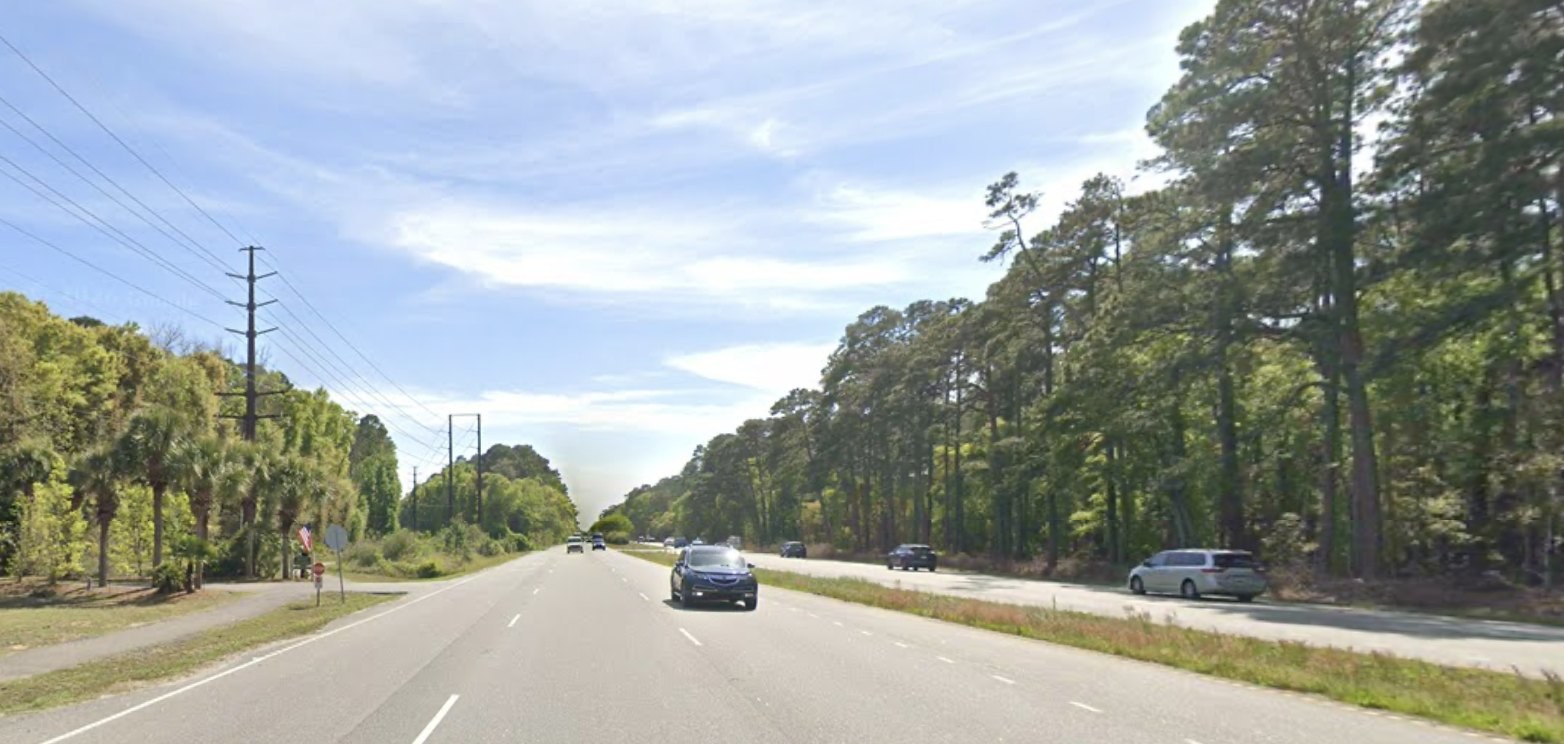
My dad was killed here.
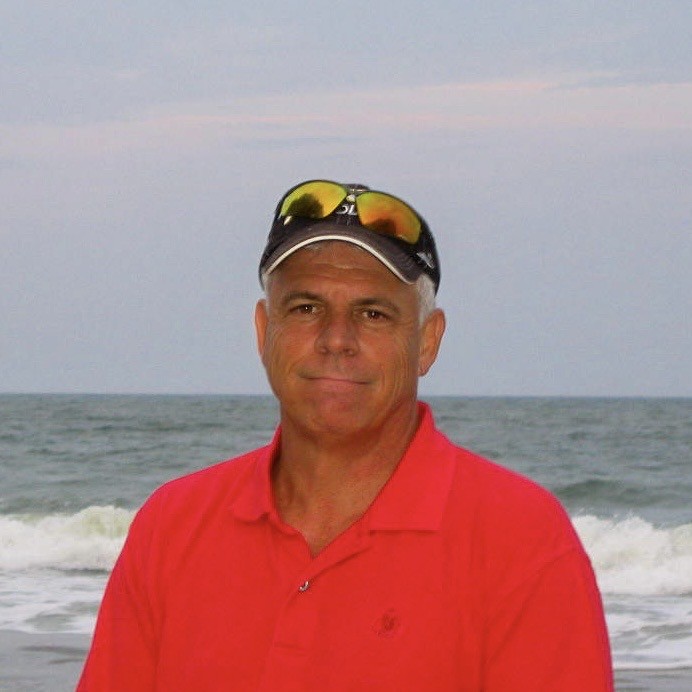
John H. Oakes Jr.
October 11, 1955 – August 1, 2024
We can't change what happened on this road.
But we can change what happens next.
Safer 17 isn't asking drivers to give up the highway. We're asking that surviving it shouldn't depend on being inside a car.